Defensible Retainers: Moving Agency Deliverables from Media Execution to Category Advisory
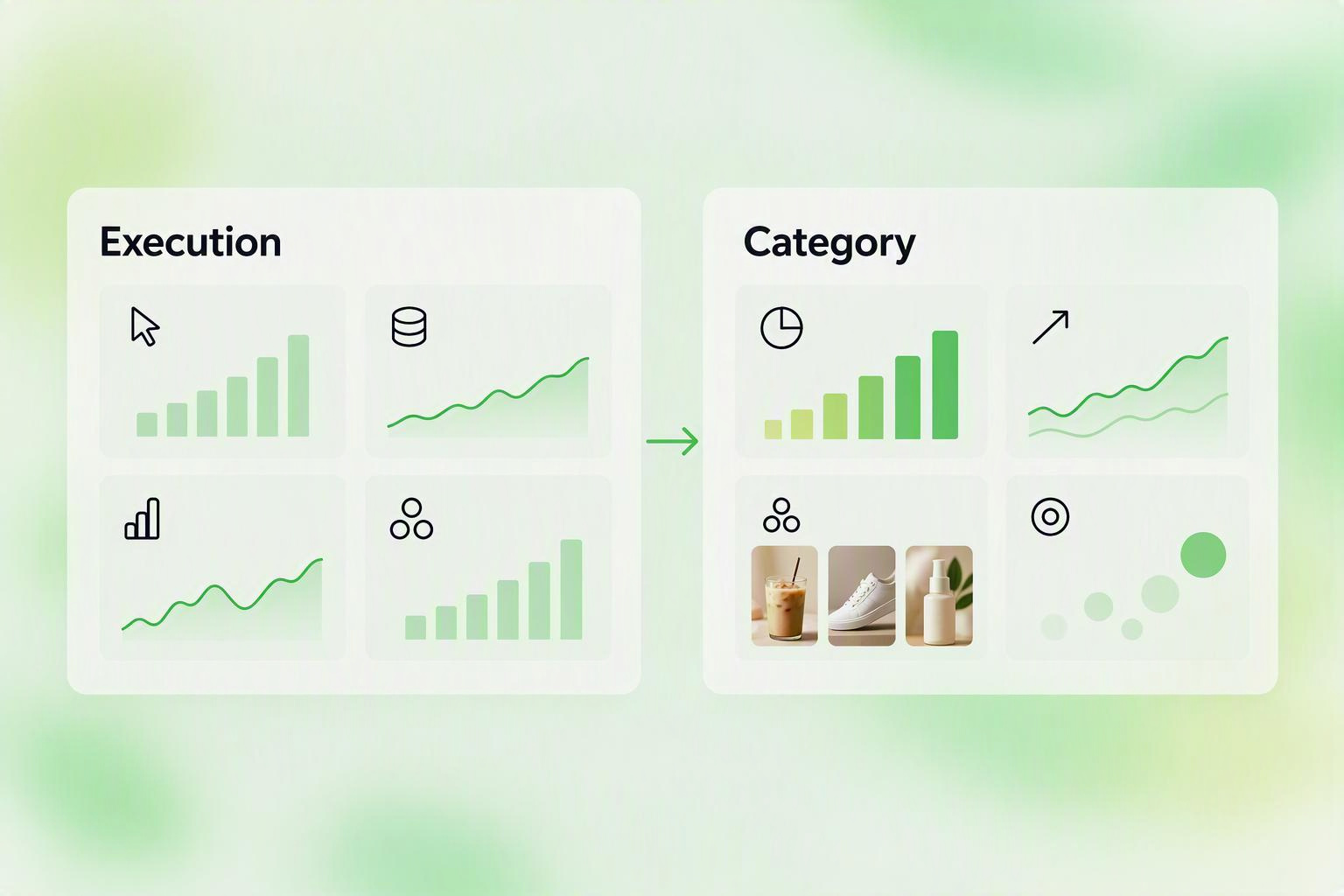
If an agency's only deliverable is media buying execution, their retainer is constantly at risk of margin compression.
When you review agency-client relationships, the churn pattern is almost always the same. A performance agency onboards a DTC apparel account, audits the messy historical setup, and quickly improves the baseline cost per acquisition. For the first three months, the client is thrilled. By month six, the easy optimizations are exhausted. The CPAs stabilize, the account settles into a standard testing rhythm, and the client starts questioning why they're paying a $10,000 monthly retainer just to have someone click buttons in Ads Manager.
The Commoditization of Tactical Execution
If an agency relies entirely on internal ROAS metrics to prove value, they commoditize themselves. The client views the agency as a software operator, not a strategic partner. If another agency promises the same ROAS for a lower management fee, or if the client decides to hire an in-house buyer, the retainer is instantly cut.
Protecting margin requires shifting the core deliverable away from tactical execution and moving into category advisory.
Framing Account Performance Against Macro Market Shifts
Instead of just reporting on which internal creative formats won the week, an advisory-focused agency contextualizes their results against the broader category. When a client's CPMs suddenly spike across Meta, an execution-level agency blames algorithm volatility or creative fatigue. An advisory agency pulls the category footprint and shows the client that a direct competitor just raised capital and is flooding the auction with a highly aggressive pricing offer.
That shift in perspective completely changes the agency-client dynamic. The agency stops defending minor daily fluctuations in their own Ads Manager and starts advising the client on how to navigate macroeconomic market movements.
Automating Intelligence to Protect Delivery Margin
Delivering that level of intelligence manually usually destroys agency margins. An account manager cannot spend five unbillable hours every week scrolling through public ad libraries, taking screenshots, and building presentation decks just to prove they understand the market. The research process has to be automated.
When category intelligence is systematically tracked, the agency can map the precise messaging angles competitors are paying to scale. If three major competitors are all funneling heavy daily spend into weekend comfort, the agency can advise the client that fighting for the lifestyle narrative will result in a bidding war. The agency proposes a pivot toward a neglected messaging cluster, like premium fabrics or workout tech, moving the client into an uncontested auction pocket with lower clearing costs.
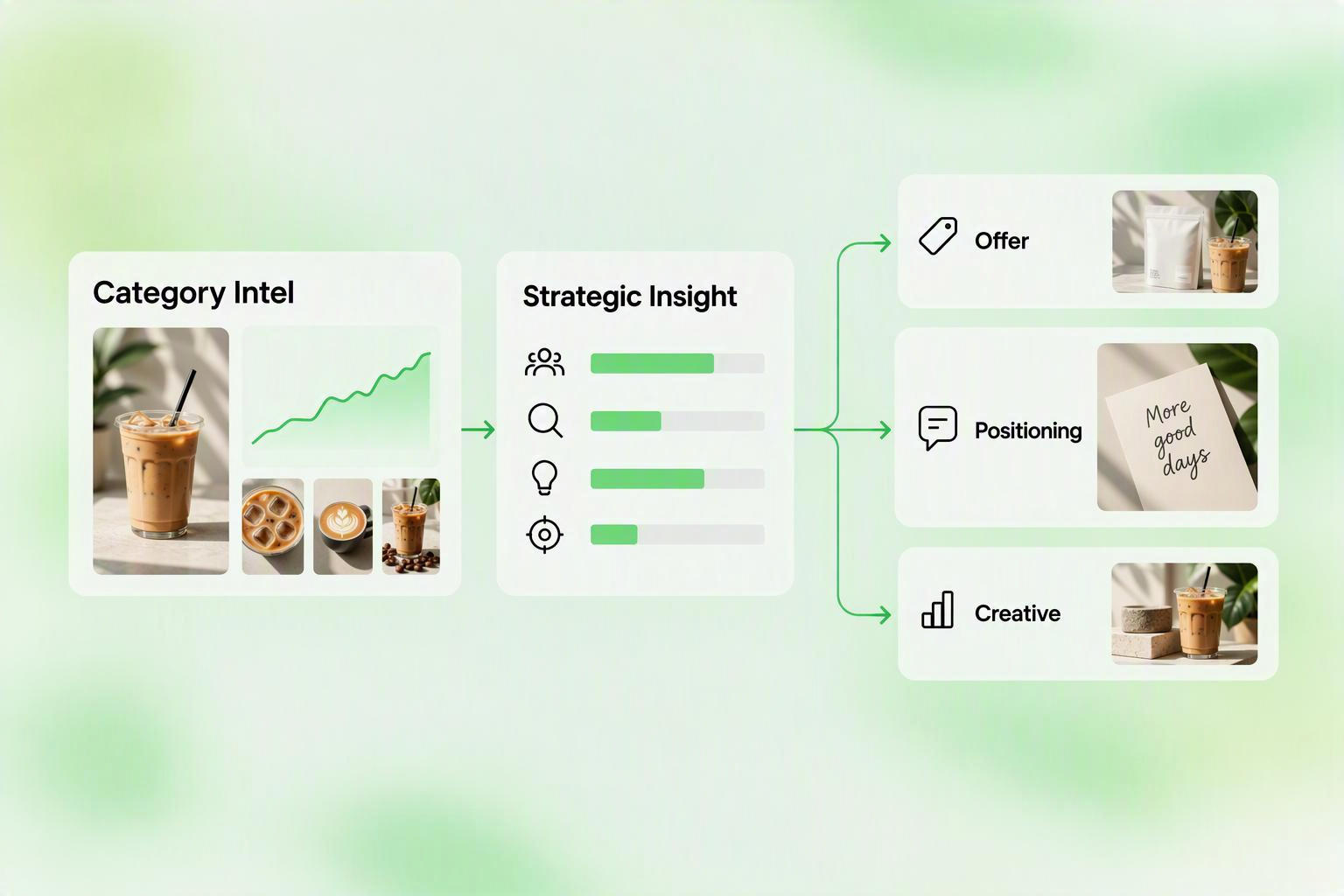
Proactive category intelligence stops the agency from reacting to client demands. Instead of waiting for a client to forward a competitor's ad in an email and ask why the agency isn't doing something similar, the agency presents the competitor's ad in the weekly reporting call. They explain exactly how long the ad has been running, what placement formats it has expanded into, and whether it represents a real threat or a low-spend test.
When an agency provides continuous, automated market intelligence alongside media execution, they stop competing on hourly rates. The client retains them not just to pull the levers, but to tell them where the entire category is heading.
See the market intelligence your agency needs to pivot: Start Trial