The Ad Library Illusion: What Public Ad Repositories Actually Tell You
If you want to see how misleading public transparency tools are, just compare a brand's public feed to the actual backend Ads Manager.
Take a typical Series B financial operations platform spending $200,000 a month on Meta. If you look up their profile in the public Ad Library, they might have 114 active ads.
Just scrolling the grid, their strategy looks obvious. The feed is packed with highly polished, animated product explainer videos and founder walkthroughs. If a competing creative strategist looks at that public feed, they will immediately write a brief to ramp up motion graphics production.
The Disconnect Between Public Feeds and Ads Manager
The actual financial reality inside the account usually tells a different story. Very often, over 80% of the daily budget is flowing into an ugly, static screenshot of a pricing comparison chart.
The public ad library treats that static image exactly the same as the 60 animated videos that are barely spending $10 a day. In many automated campaigns, spend can become concentrated around a relatively small group of creatives. An account might have 80 ads running, but only a handful may receive a substantial share of the budget. The public library does not show you that distribution, which makes it difficult to distinguish meaningful activity from low-spend testing.
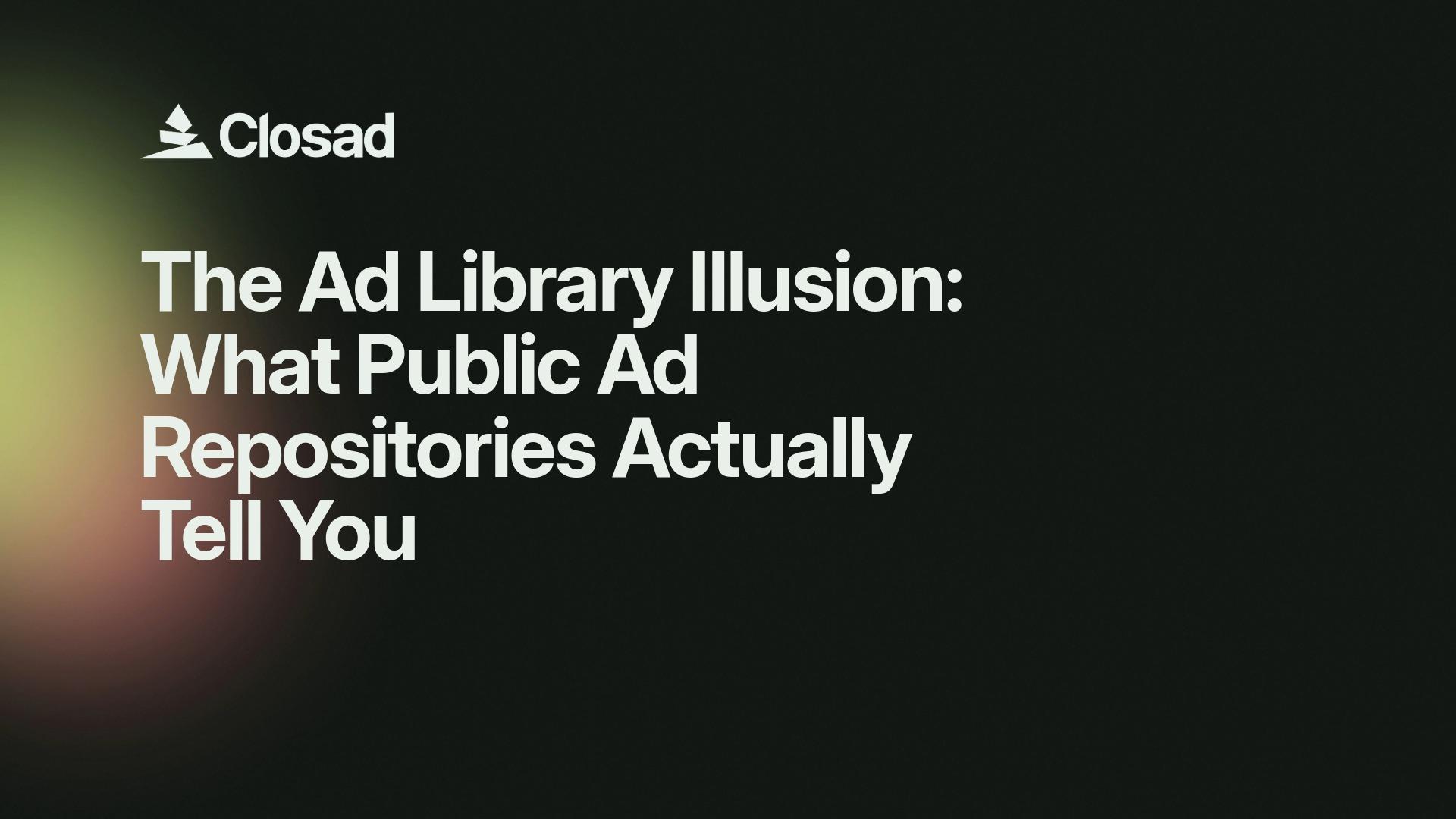
A media buyer spots a competitor testing a quirky 9:16 split-screen hook on a Tuesday. The team likes it, so they spend the next two weeks writing a script, booking a creator, editing the footage, and formatting captions. By the time their version goes live, the competitor paused the original ad 10 days ago because it failed to clear their target CPA. Teams spend massive amounts of internal bandwidth recreating concepts that already died in the live auction.
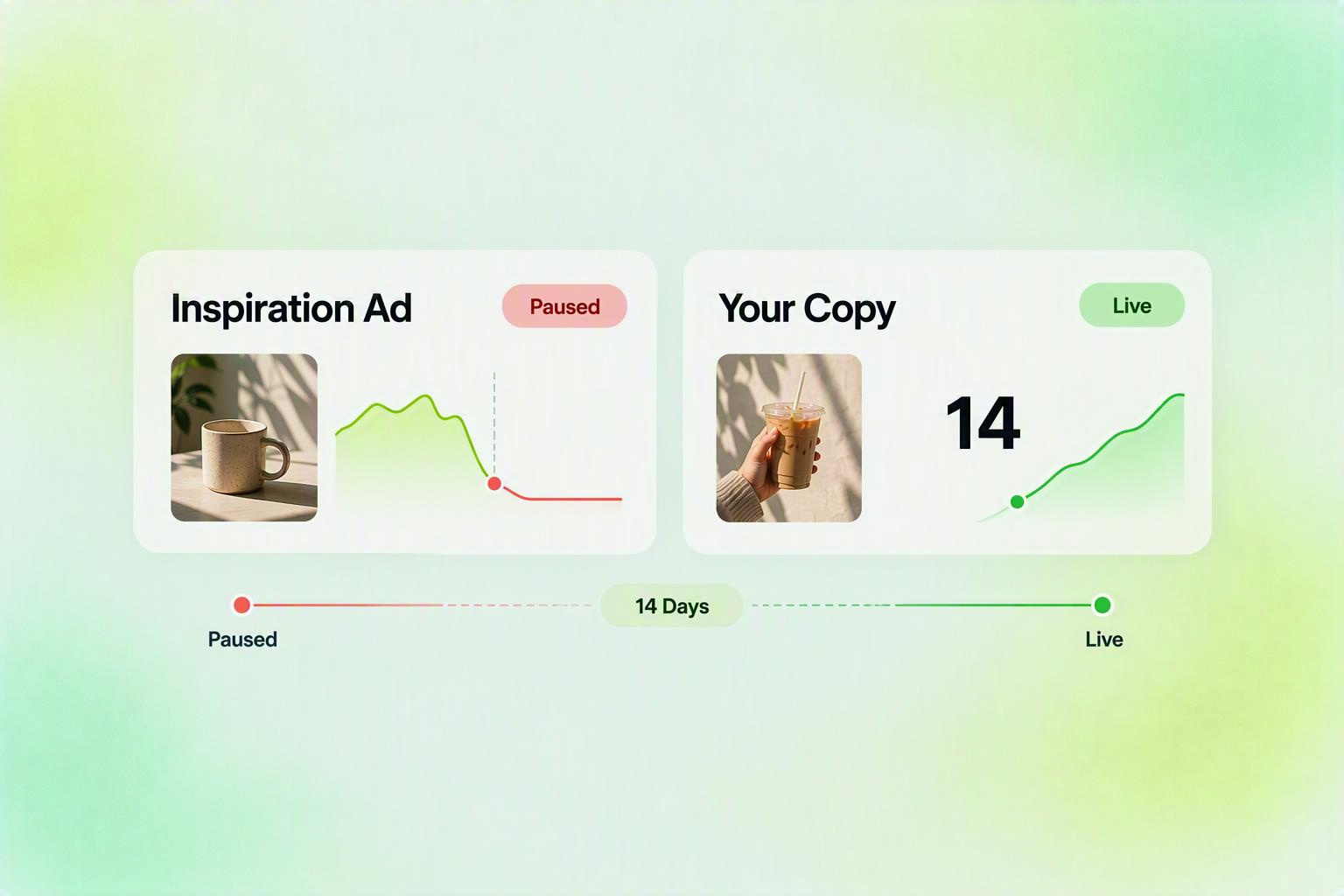
If a brand publishes six variations of a single concept in two days, they might just be running a standard multivariate test to see what sticks. If they take that winning hook and roll it out across a vertical cut for Reels, a square cut for the feed, and heavily alter the body copy over the next two weeks, the intent changes. When a brand expands the same concept across several placements and continues refining it over time, that suggests sustained interest in the creative. It's a stronger signal than a single launch, although it still does not confirm profitability.
False Positives, Pixel Misfires, and Retargeting Noise
In direct-response marketing, losing campaigns usually get cut relatively quickly to protect margin. Relying purely on the "active since" date can trick you. Legacy ad accounts frequently leave old retargeting ad sets sitting on low lifetime budget caps for months. In other cases, an ad looks like a massive evergreen winner simply because a HubSpot meeting widget listener is misfiring on a staging subdomain (qa.client-site.com), feeding phantom lead conversions back to the Meta pixel and keeping a dead campaign alive.
Flight duration is a helpful clue, but it's much more reliable when paired with active format expansion.
Grouping by Argument Instead of Visual Format
The visual wrapper of an ad matters less than the specific headache it promises to fix.
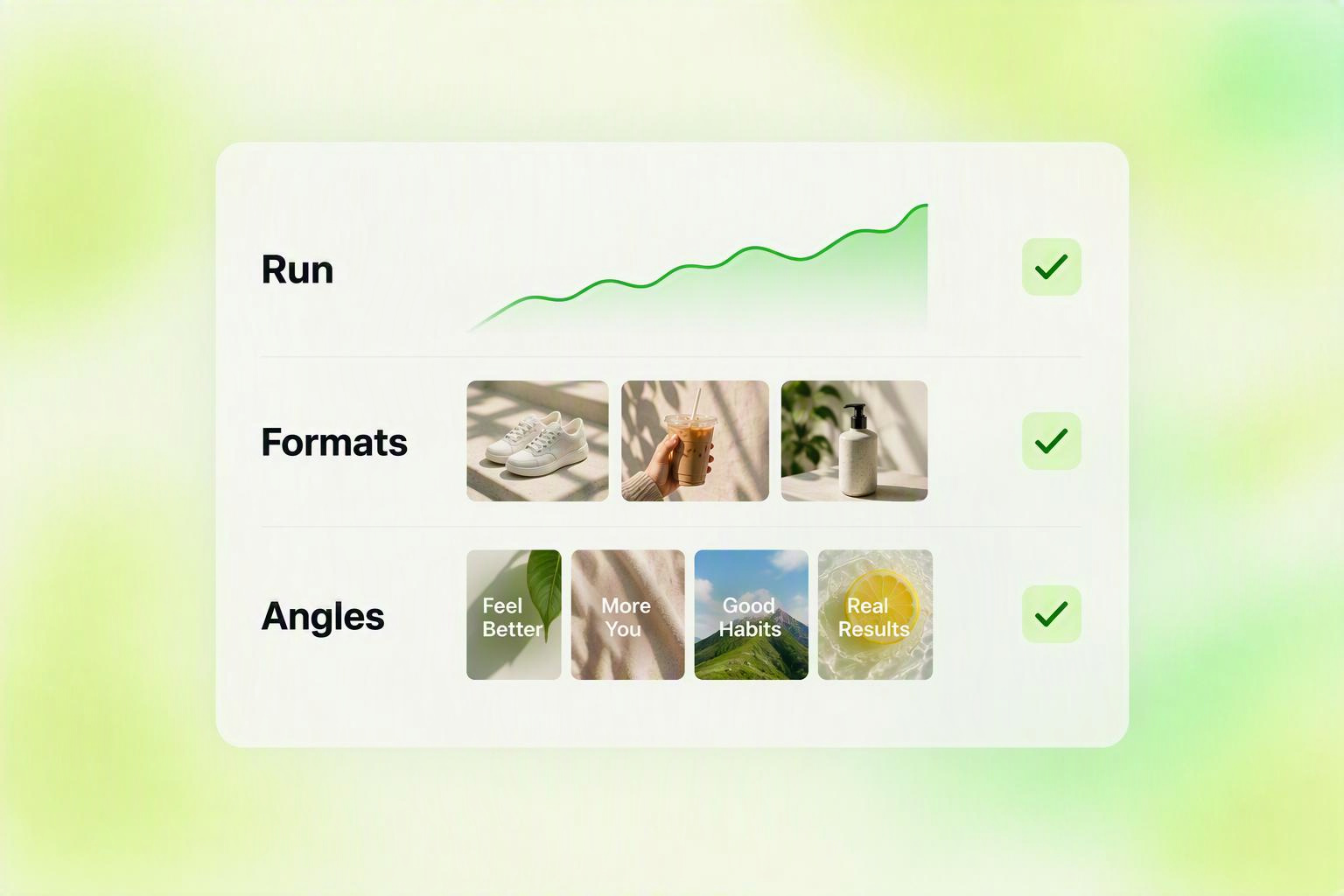
Grouping a competitor's ads by their main argument exposes their actual playbook. Are they targeting frustration with multi-tool fragmentation? Are they comparing their implementation speed to a specific legacy competitor?
Mapping those arguments highlights what they're relying on to acquire customers, but more importantly, it shows what they're ignoring. If every brand in your niche is running ads focused purely on software discounts, there might be an opening to talk about strict data compliance or customer support. It's not a guaranteed win. Sometimes an angle is ignored because buyers just don't care about it. Finding those messaging gaps gives your team a grounded hypothesis to test, rather than just pulling screenshots from a feed and guessing.
See what your competitors are running right now: Start Trial